Conflict Research Exchange Workshop (CREW)
Founded in 2022, the Conflict Research Exchange Workshop (CREW) brings together political scientists from the University of Osnabrück, the University of Duisburg-Essen, and Witten/Herdecke University to discuss ongoing research and new ideas. It aims to give regular feedback to its participants, in particular to emerging scholars at the PhD and post-doctoral levels in the fields of conflict research and contentious politics. Online workshops take place monthly. Once a year, we organize a joint retreat.
Members
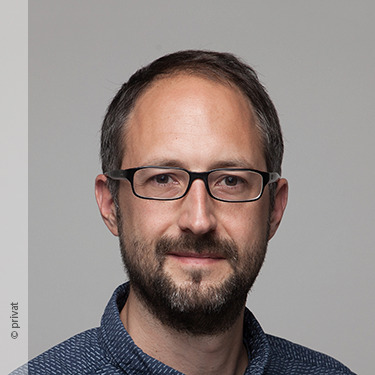
Alexander De Juan
Professor of Comparative Politics, University of Osnabrück
Alexander De Juan’s research focuses on political attitudes and behavior in the context of conflict and autocratic rule with a particular interest in historical episodes of contention.
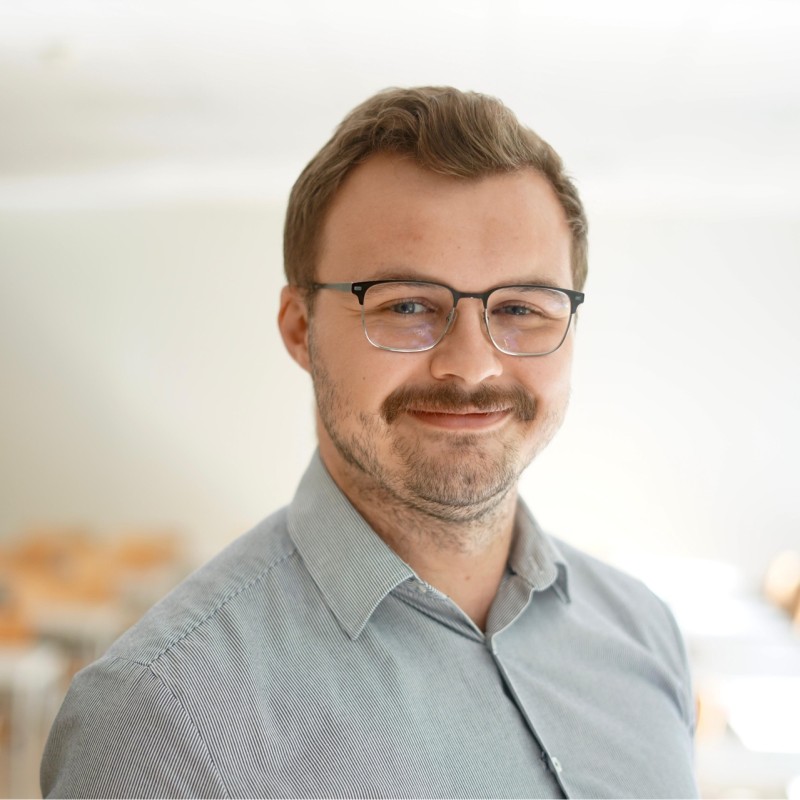
Domenic Hög
PhD Student, University of Osnabrück
Domenic Hög studies political attitudes and their underlying mechanisms, with a focus on micro-level processes of mobilization, political conflict, and online communities such as the manosphere and other radicalization-related spaces.
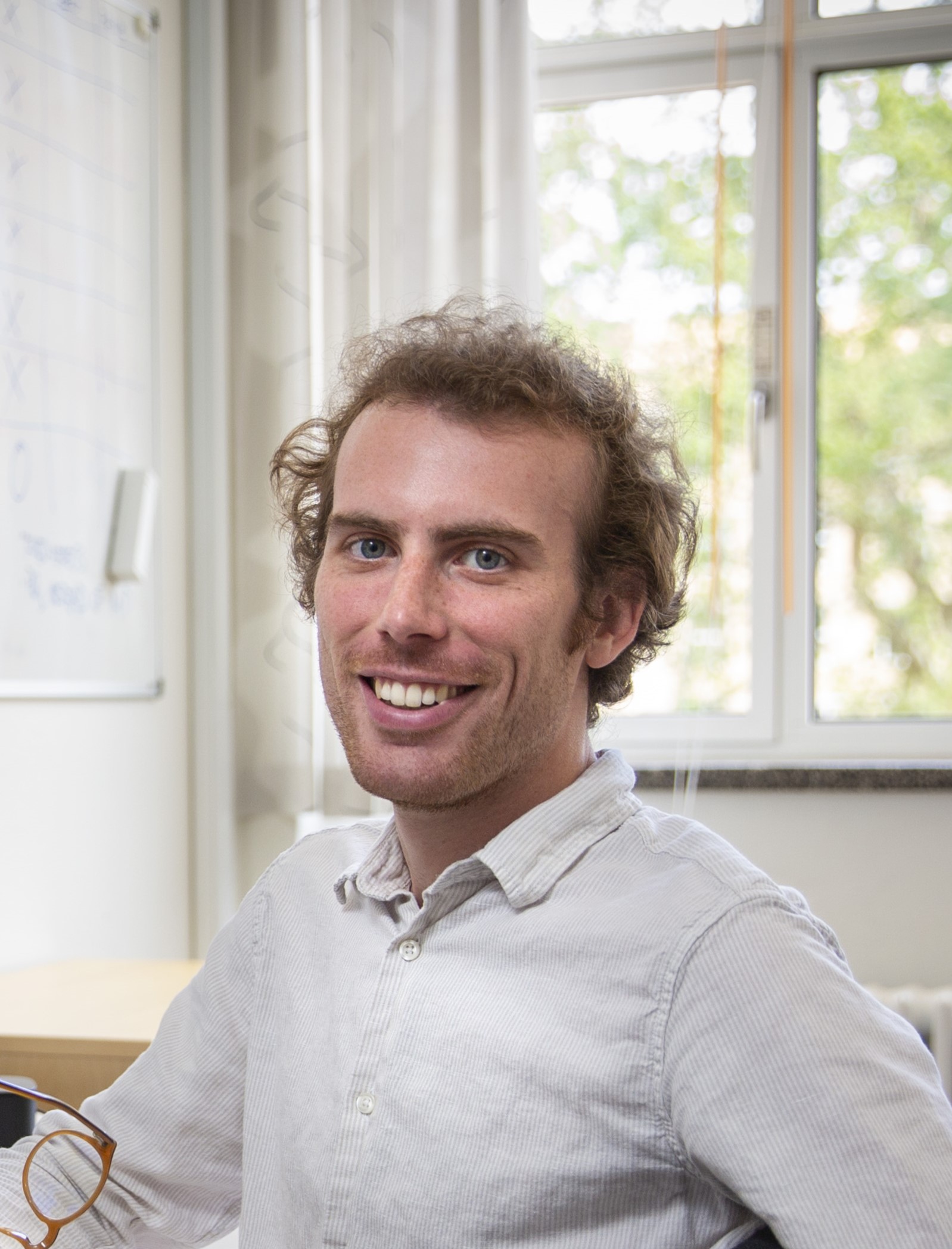
Edoardo A Viganò
Visiting Professor in Quantitative Methods, University Carlos III., Madrid
Edoardo A Viganò studies political institutions, representation, and political violence.
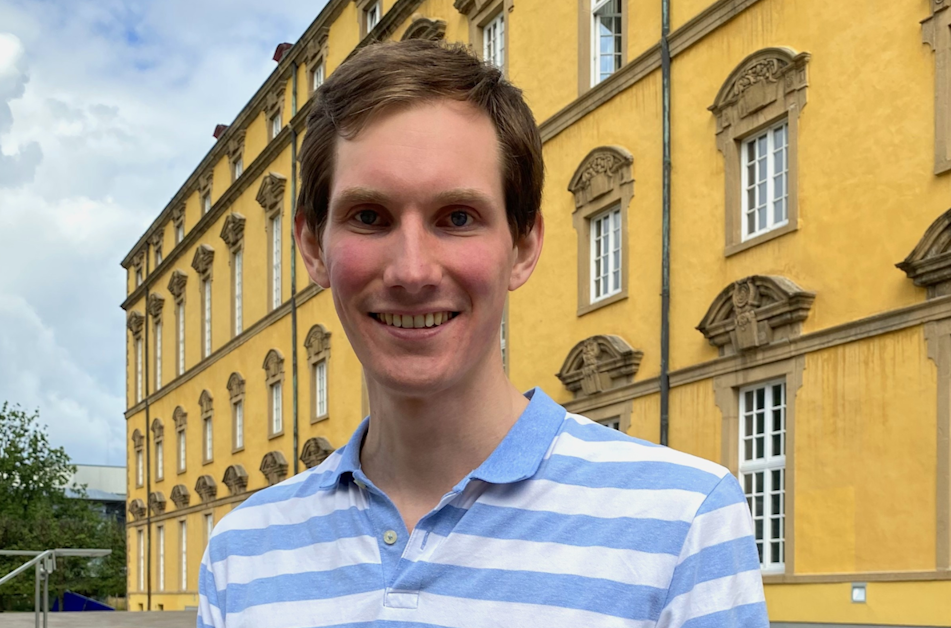
Finn Klebe
Post-Doc, University of Osnabrück
Finn Klebe’s research examines contentious politics, repression, and civil war dynamics, focusing on organizational relations and their impact on conflict escalation, democratization, and post-conflict political attitudes.
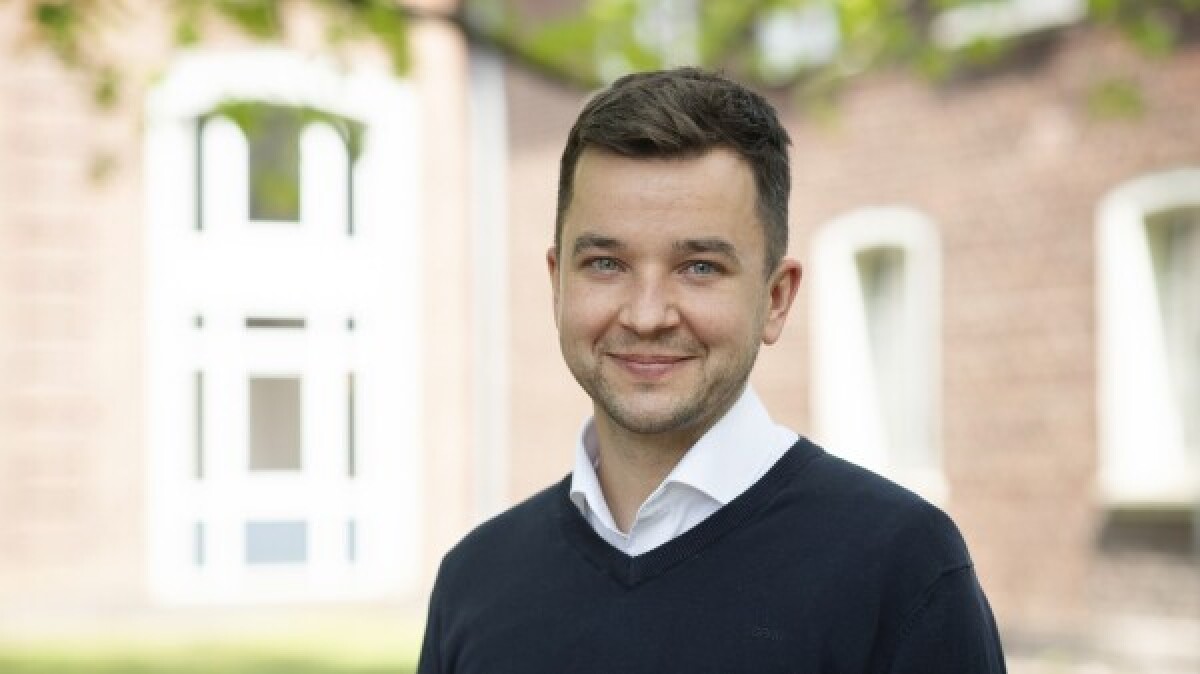
Johannes Vüllers
Professor of International Relations, University of Duisburg-Essen
Johannes Vüllers studies contentious politics, civil wars, and conflict resolution with a regional expertise on Southeast Asia.
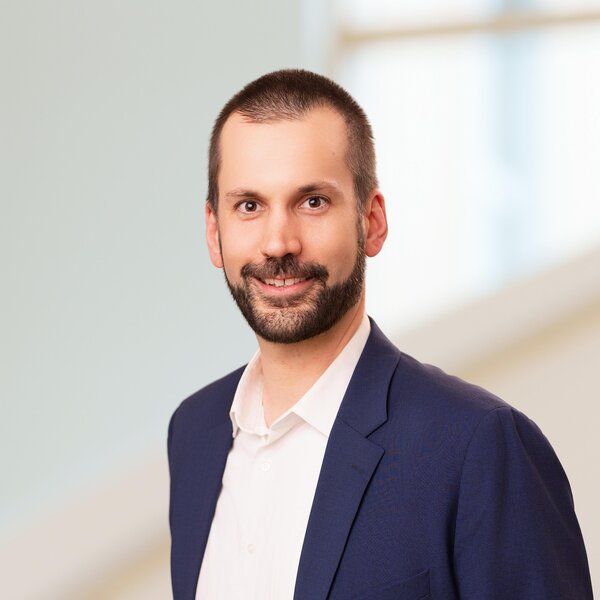
Nils-Christian Bormann
Professor of International Political Studies, Witten/Herdecke University
Nils-Christian Bormann investigates the causes and consequences of political violence, power-sharing coalitions, and group-based inequality.
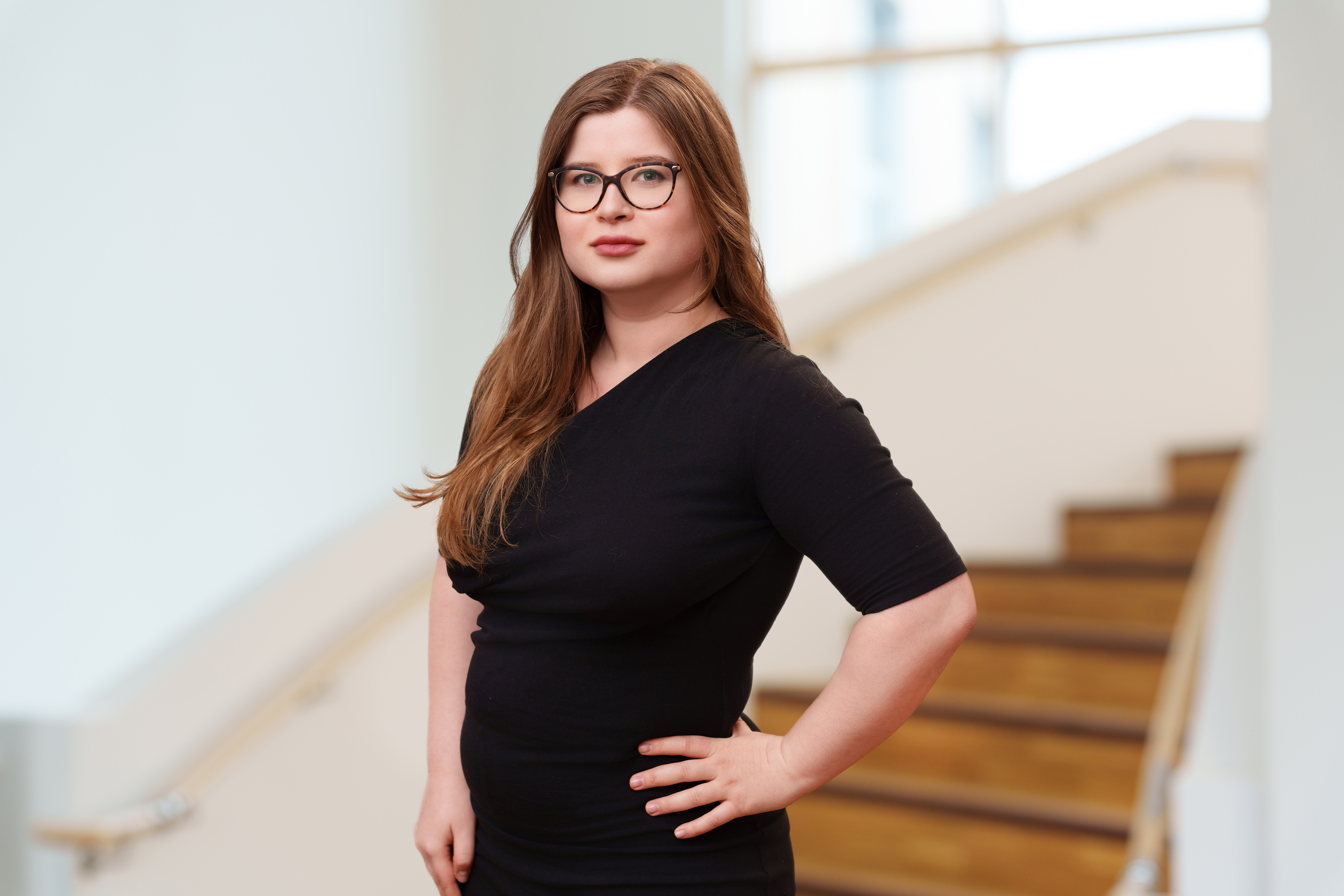
Olga Jerjomina
PhD Student, Witten/Herdecke University
Olga Jerjomina studies ethnic identities and political behaviour, examining how group-based divisions structure political attitudes, voting patterns, and susceptibility to external political influence.
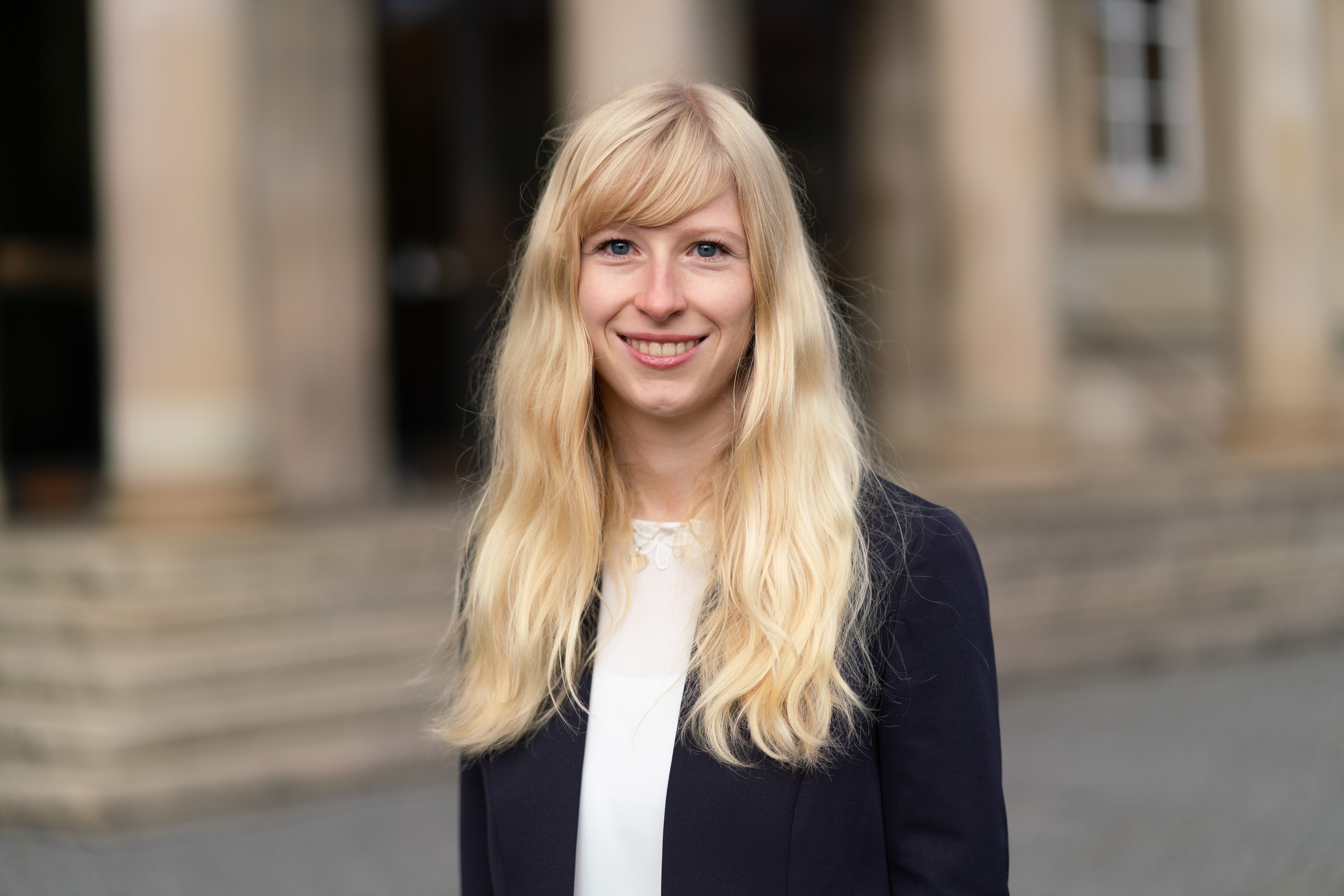
Teresa Hummler
Post-Doc, University of Duisburg Essen
Teresa Hummler is studying the influence of contentious politics on organizational development and individual political attitudes. In her PhD thesis, she investigated how neighborhood characteristics shape individuals’ political support.